
Troubleshooting
Posting too much online can expose you to serious risks—from identity theft to workplace discrimination. These 10 dangers of oversharing on social media highlight why privacy settings and discretion are non-negotiable in the digital age.
Identity Theft Through Personal Details
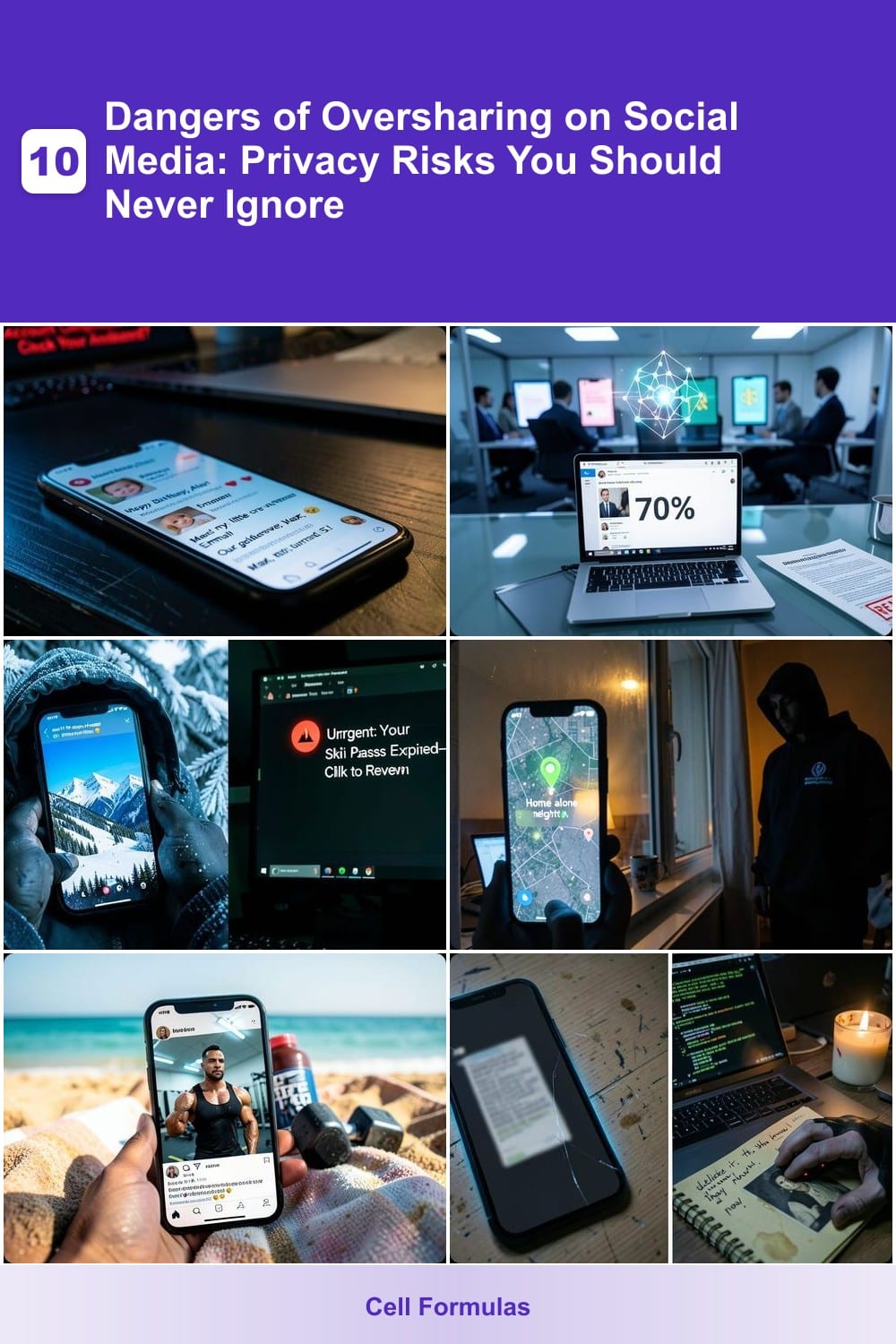
Your seemingly harmless social media posts—like your birthday, child’s name, or favorite pet’s breed—could be the keys scammers need to hijack your accounts. Security questions like "What’s your mother’s maiden name?" or "Where did you go to high school?" are often answered with publicly shared details, making them laughably easy to crack.
Once attackers have these answers, they can reset passwords, drain bank accounts, or even file fraudulent loans in your name. A 2023 Identity Theft Resource Center report found that 42% of account breaches started with compromised security questions—many of which were answered using overshared social media data. Even "private" posts can resurface in data leaks or phishing scams.
If you’ve ever posted about your child’s school, anniversary date, or hometown, you’ve already given scammers a head start. The fix? Use multi-factor authentication (MFA) and avoid answering security questions with easily guessable details. 💻
Workplace Discrimination Lawsuits
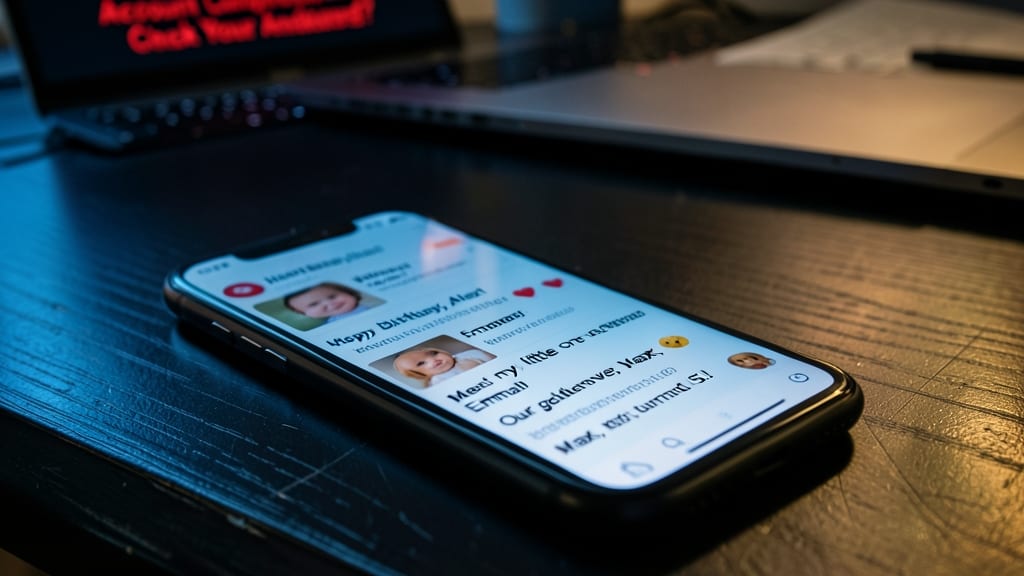
Did you know 70% of recruiters actively check candidates’ social media profiles before interviews? A single post about your religious beliefs, medical conditions, or political views could trigger a discrimination lawsuit—or cost you the job entirely.
Many companies use AI-powered screening tools to flag protected traits like pregnancy status, disabilities, or even family planning discussions. Even seemingly harmless posts—like a photo from a religious event or a status update about mental health—can be misinterpreted or weaponized in hiring decisions. The EEOC (Equal Employment Opportunity Commission) has ruled against employers for using social media to discriminate, but the damage to your reputation (and career) happens instantly.
Job seekers, freelancers, and even remote workers should treat social media like a live résumé audit. Before posting, ask: Could this be used against me? A simple privacy tweak—like setting posts to "Friends Only" or reviewing old content—can mean the difference between a job offer and a legal battle. 💻
Phishing Attacks via Shared Information
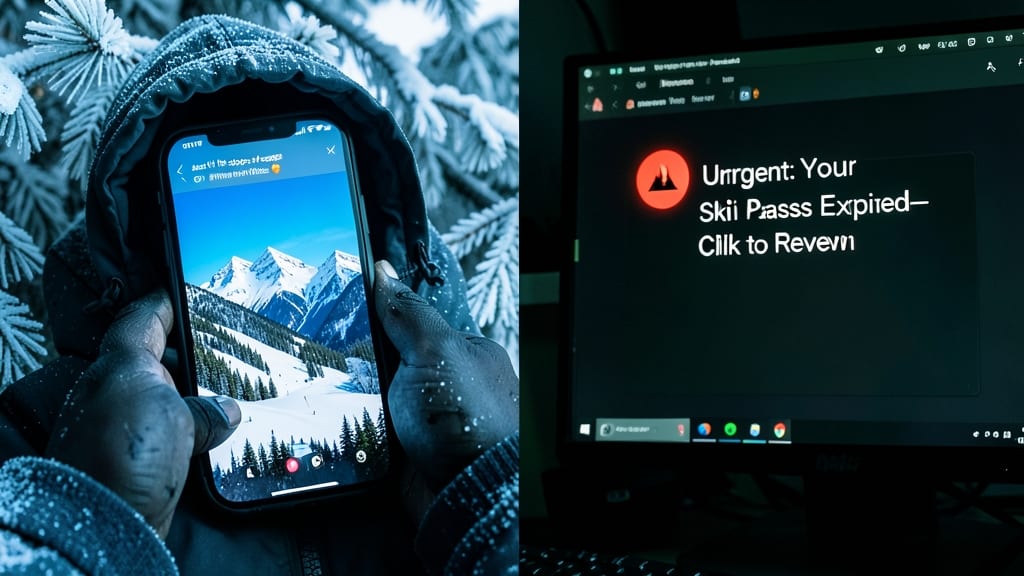
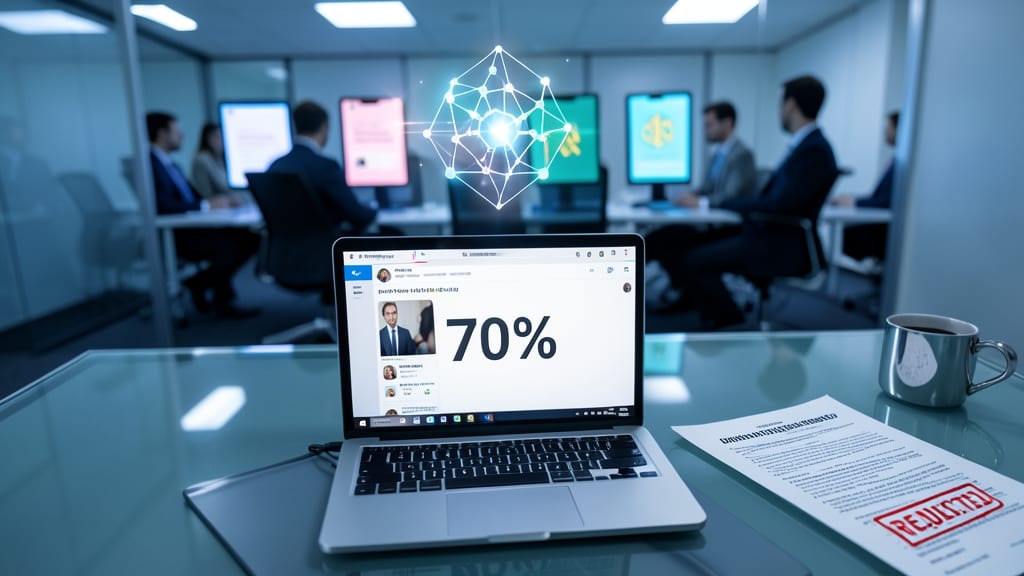
That "quick vacation update" might be the key scammers need to unlock your accounts. A single post about your ski trip or weekend fishing adventure can trigger hyper-targeted phishing emails that bypass generic spam filters—because they reference details only someone who stalked your profile would know.
These attacks often mimic trusted services like bank alerts or package deliveries, with subject lines like "Urgent: Your Hotel Reservation Has Been Cancelled" or "Your Fishing License Renewal Expired Today." The emails include personalized details (dates, locations, even hobby-specific jargon) to bypass skepticism. Even a single like on a public post can expose you to automated scraping tools that compile data for phishing campaigns.
Small business owners and frequent travelers are prime targets, but anyone who posts about hobbies, routines, or plans is at risk. Always enable two-factor authentication and avoid posting real-time location tags—even when you "trust" your audience. 💡
Online Harassment and Doxxing
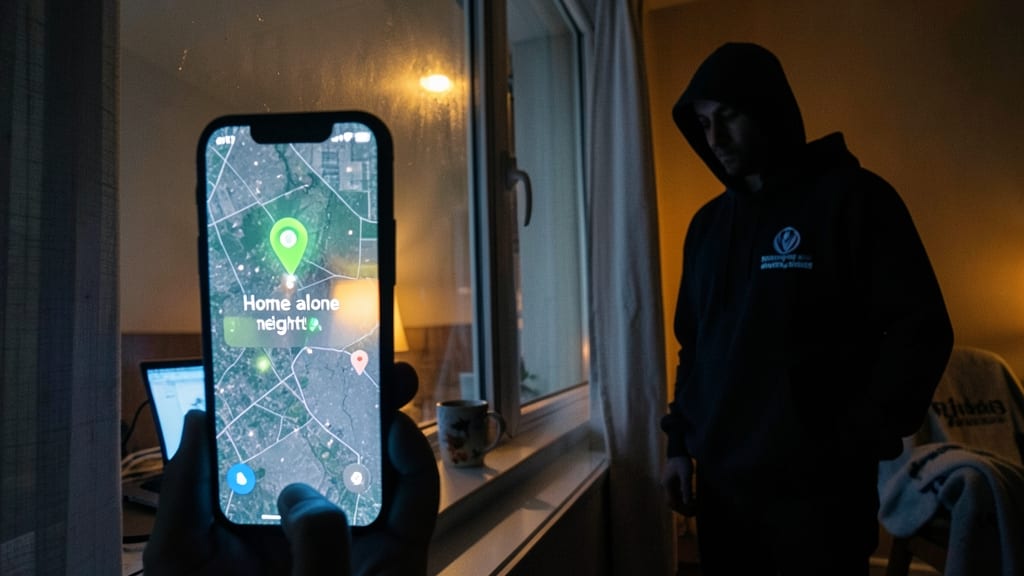
One geotagged post or check-in could turn your life into an open invitation for stalkers. Unlike phishing scams or identity theft, doxxing—the deliberate exposure of private details—often starts with seemingly harmless updates like "Home alone tonight!" or "Starting school at XYZ University."
Predators use reverse image searches, OSINT tools (like Maltego or SpiderFoot), and even public records databases to stitch together your location, habits, and connections. A single overshared routine—like your morning coffee spot or gym schedule—can become a blueprint for harassment, with threats escalating over months or years. Even "private" posts can resurface if screenshots circulate.
This risk isn’t just for celebrities—anyone with a public profile is vulnerable. Parents, students, and remote workers are prime targets. Use location services sparingly, avoid real-time updates, and audit old posts for exposed details. 💻
Insurance Fraud and Policy Denials
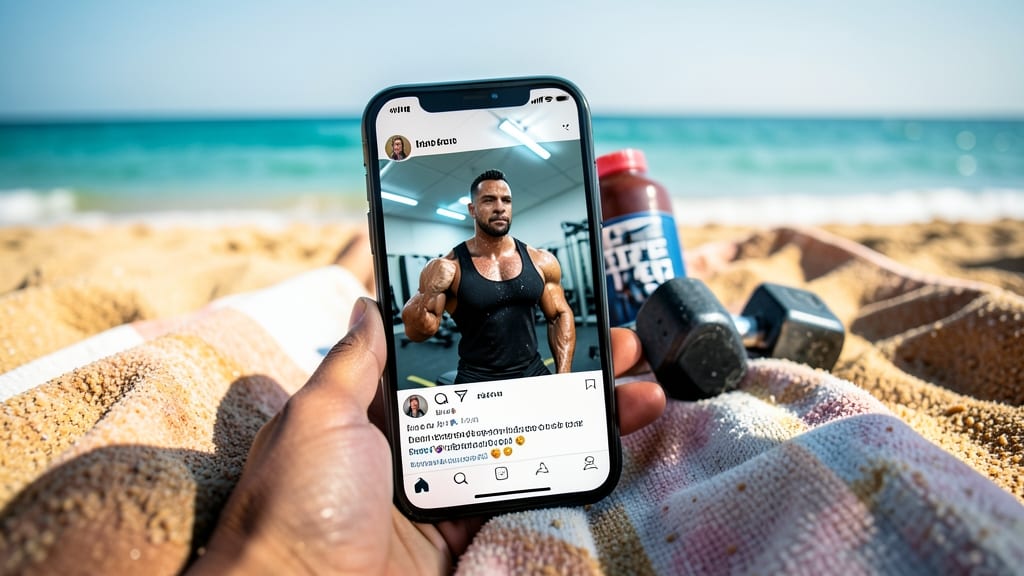
That beach vacation selfie might seem harmless, but insurers are increasingly using social media evidence to challenge claims—especially for health or life policies. A 2023 study found 37% of denied claims cited "misrepresentation of lifestyle" after reviewing public posts, including gym updates or travel photos that contradicted medical histories.
Life insurance policies often require honest disclosures about health habits—but posting about marathon training or "eating clean" while secretly struggling with diabetes could trigger audits. Even disability claims have been rejected when insurers found posts showing "normal" activities during supposed recovery periods. The silent risk? Most policies include clauses allowing denials if your online presence contradicts your application.
This isn’t just about lies—innocent oversharing (like tagging locations or sharing workouts) can create doubt in an insurer’s eyes. If you’ve ever applied for coverage, double-check your privacy settings and assume nothing is truly private online. 💻
Blackmail and Sextortion Scams
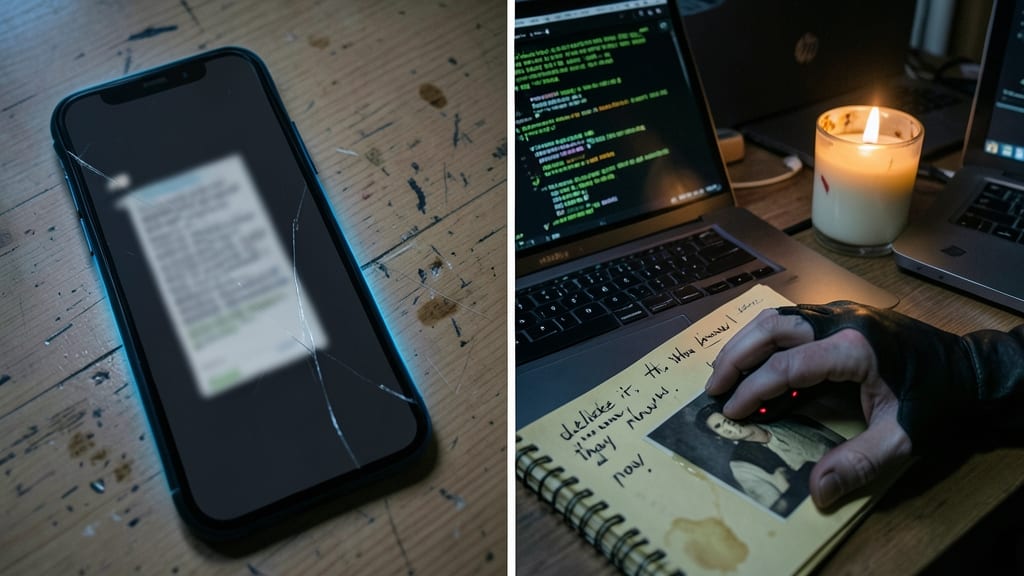
One private message or photo shared in confidence can become your worst nightmare if it falls into the wrong hands. Sextortion scams thrive on compromising content—even if you deleted it years ago, scammers can dig it up and demand payments to keep it private.
These criminals often start with fake romance scams, luring victims into sharing explicit material before threatening to expose it. Once they have leverage, they demand cryptocurrency payments (often $1,000+) under threats of public shaming or legal trouble. The FBI reports over 22,000 sextortion cases in 2023, with victims as young as 13.
If you’ve ever shared sensitive content—even with trusted contacts—enable two-factor authentication on all accounts and use password managers to secure old logins. If targeted, report it immediately to the FBI’s IC3 Complaint Center—they’ve helped recover stolen funds in some cases. 💪
Social Engineering by Strangers
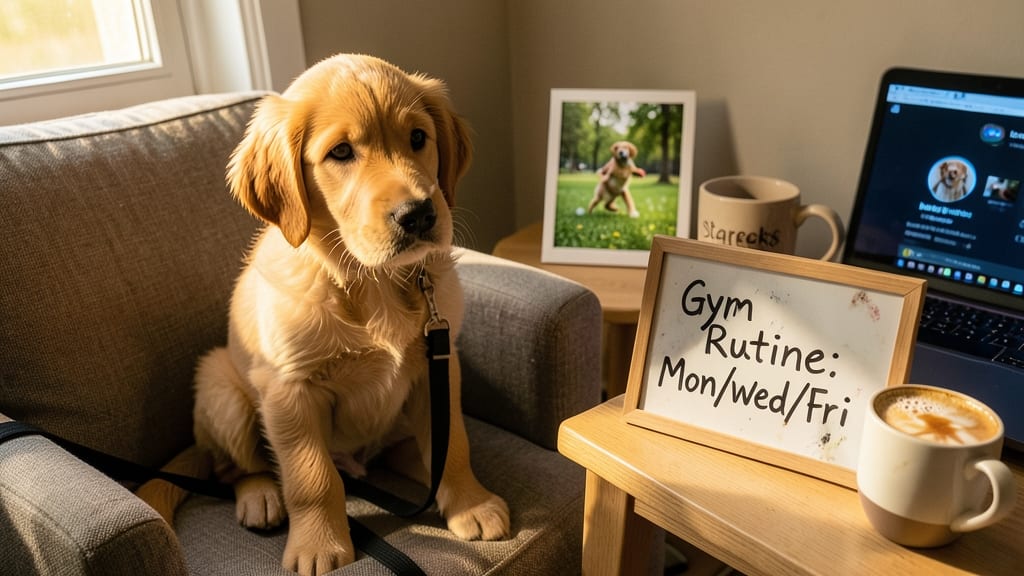
That cute photo of your golden retriever or your weekly gym routine might seem harmless—but scammers use these details to build fake trust with you. By casually mentioning your pet’s name, your morning coffee shop, or even your favorite movie, you’re handing them the tools to impersonate someone you’d actually believe.
These social engineering scams often start with a seemingly friendly message: "Hey, I saw your post about Max—the vet’s office called and said there’s an emergency!" or "Your friend from the gym sent me this—can you verify?" Once you’re engaged, they’ll push for financial transfers, personal data, or even in-person meetings. The FBI reports $2.7 billion lost annually to these schemes, with oversharing as a top enabler.
Parents, pet owners, and small business owners are especially vulnerable—scammers exploit emotional triggers like family updates or local connections. Always verify unexpected requests via a separate, trusted channel before acting. 💪
Algorithmic Discrimination in AI
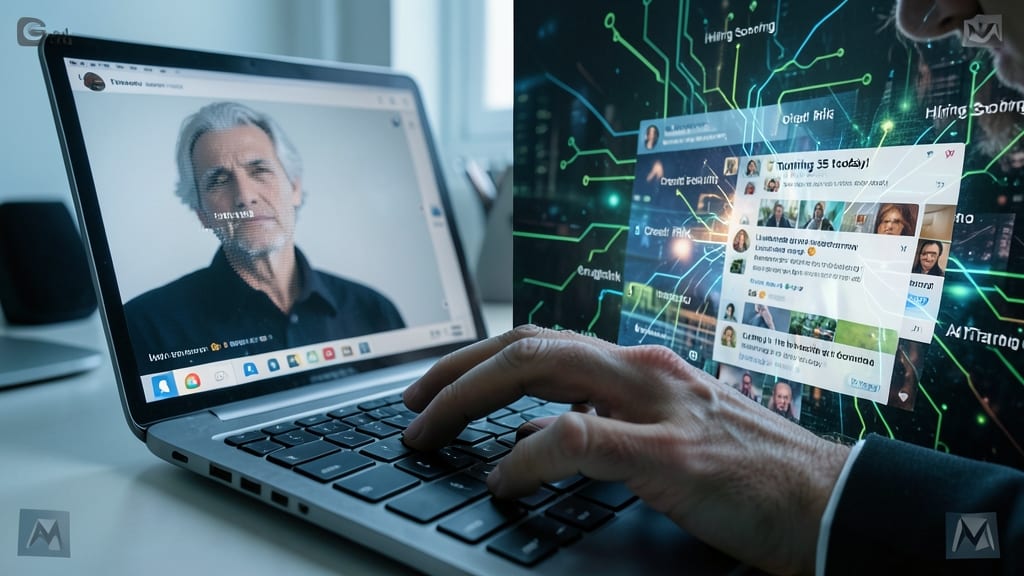
Your seemingly harmless social media posts might be secretly training AI systems to make unfair decisions about you. Companies like Google and Meta use publicly available data to refine algorithms for hiring, loans, and ads—meaning oversharing about your health, age, or background could lock you into biased outcomes.
AI models often rely on publicly scraped data from platforms like LinkedIn or Facebook to predict job suitability or creditworthiness. A single post about a disability, for example, could trigger an algorithm to deprioritize your applications—even if you never applied directly. Studies show these systems can amplify existing biases when trained on unchecked social media datasets.
Job seekers, freelancers, and small business owners should be especially cautious—your digital footprint directly influences automated screening tools. A simple fix? Audit your posts for protected traits before sharing. 💡
Kidnapping and Home Invasion Risks
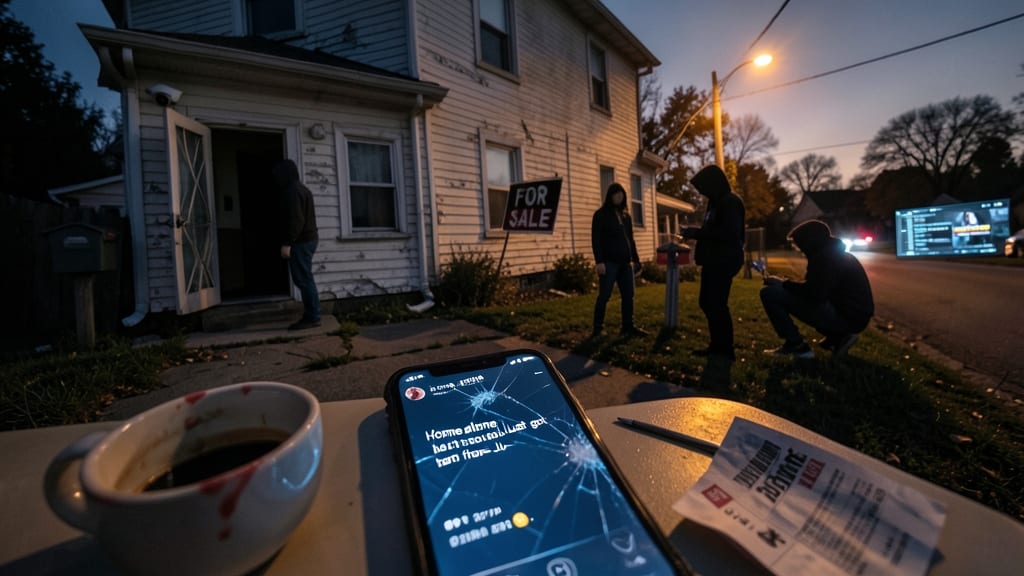
Your "Home alone!" check-in might seem harmless, but it’s a criminal’s treasure map. Criminals monitor social media for real-time location updates, turning your daily routines into opportunities for home invasions or kidnappings—especially when you’re away or vulnerable.
Even a single post like "Just left for vacation!" or "Running errands alone today" can signal an empty house. High-profile cases show criminals using public posts to track victims’ movements, with some even stalking neighborhoods beforehand. Tools like Facebook’s "Check In" feature or Instagram Stories’ location tags make it easier than ever for predators to strike.
This risk isn’t just for celebrities—anyone with predictable routines is a target. If you must share, use private messages or delay posts until you’re safely back. A little discretion could save you from a nightmare. 💪
Damaged Future Opportunities
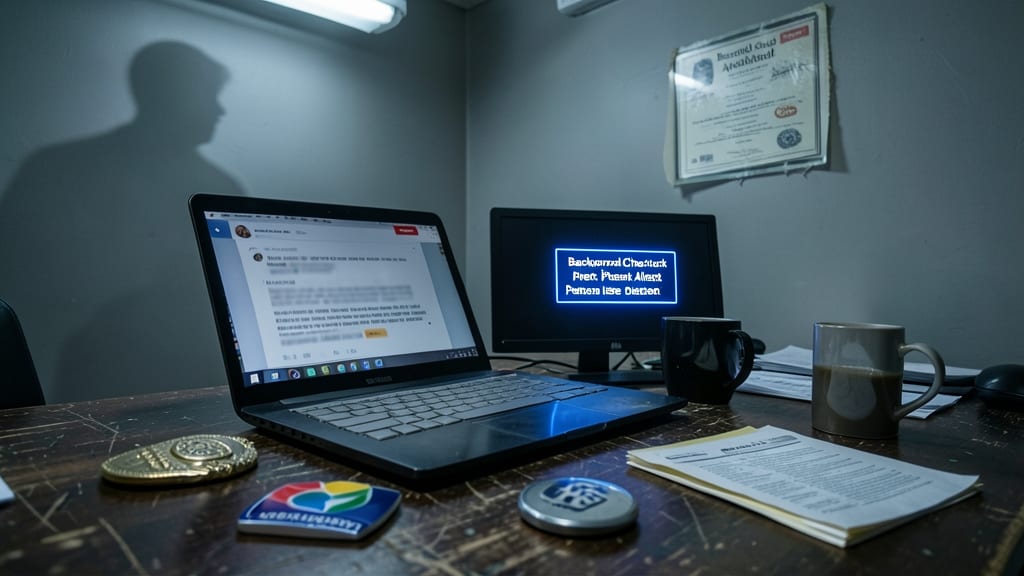
One career-killing mistake can lurk in your social media history for years—especially when recruiters, admissions officers, or military screeners dig deeper than your profile picture. A single inappropriate post from college or a heated argument with an ex can resurface during background checks, derailing opportunities before they begin.
Over 60% of hiring managers admit to rejecting candidates based on social media content, while military recruiters and top universities often run digital background checks that flag posts about alcohol, political extremism, or even old inside jokes. Even "private" posts can be screenshotted or leaked—once online, they’re nearly impossible to erase completely.
Students applying to Ivy League schools or candidates vying for security clearances face the harshest scrutiny, but no one is immune. If you’re building a professional brand, treat every post as a permanent part of your resume—because in today’s digital world, it just might be. 💪