
Tip & Trick
Did you know your keyboard hides powerful symbols starting with 'A' that can supercharge your typing speed and productivity? These 10 often-overlooked symbols—from accent marks to advanced formatting—are essential for professionals, writers, and coders alike.
Accented Letters: Á, É, Í, Ó, Ú
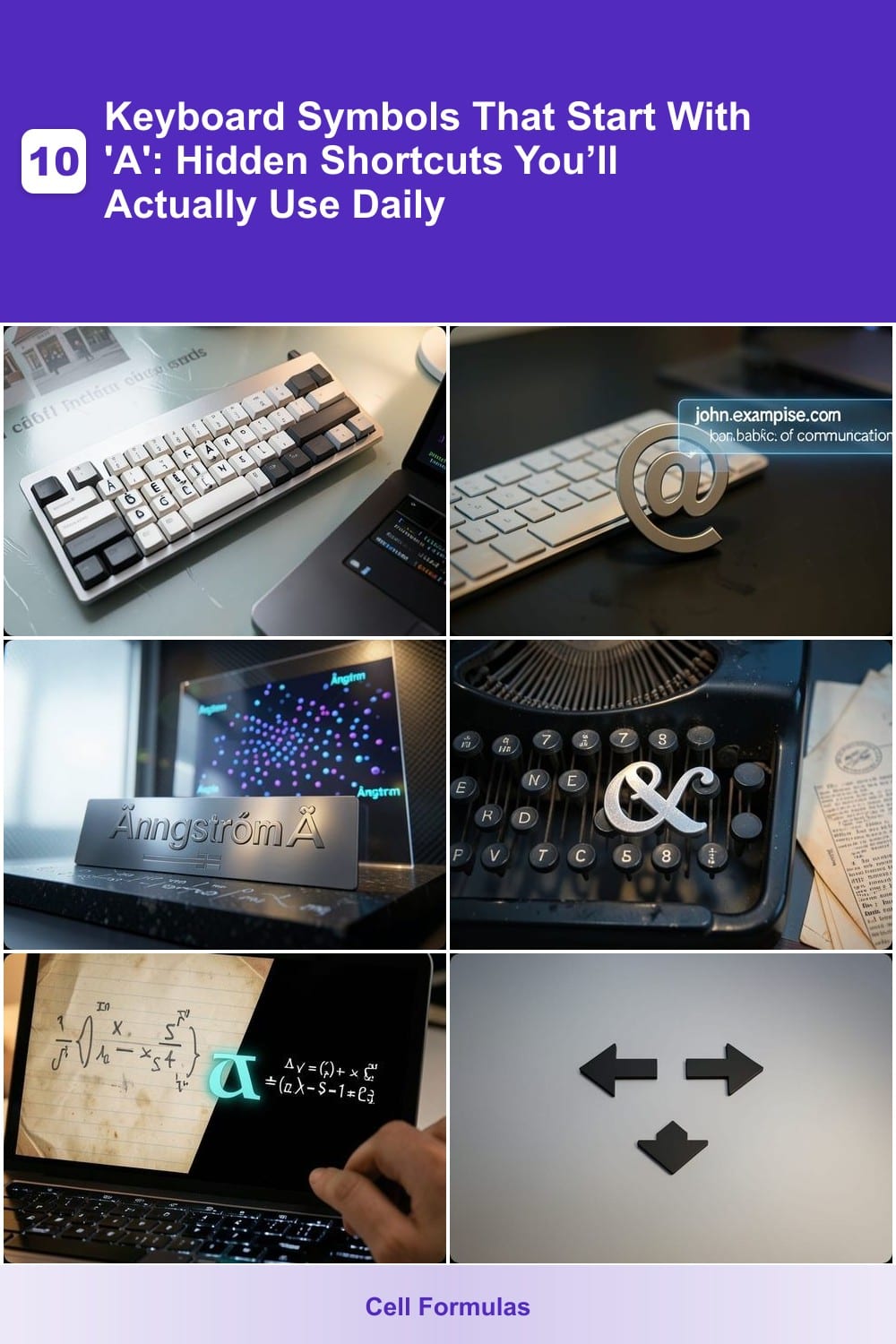
Ever struggled to type "café" or "hôtel" correctly in documents? The accented letters Á, É, Í, Ó, Ú are the secret weapon for anyone working with Spanish, French, or Portuguese—whether you're drafting emails, translating texts, or writing code for multilingual apps.
On most keyboards, these characters hide behind keyboard shortcuts like Alt + 0193 (Á) or Alt + 0201 (É) on Windows, or Option + E (É) on Mac. They’re also accessible via character maps or language input tools in modern OSes. For developers, these accents are critical when handling Unicode text in databases or APIs.
If you frequently switch between languages or work with international clients, mastering these symbols will save you from embarrassing typos and streamline your workflow. ⚡
At Symbol @ for Email Addresses

The @ symbol isn’t just a random squiggle—it’s the backbone of digital communication, turning simple strings like "john" into professional email addresses like john@example.com. Without it, modern email as we know it wouldn’t exist, making it one of the most critical symbols on your keyboard for both personal and professional use.
Typically found on the top row of most keyboards (next to the "P" key), this symbol is used universally in email addresses, usernames, and social media handles. It also appears in programming for hash symbols (e.g., @property in Python) and networking protocols like @mentions in Slack or Twitter. Beginners often overlook its importance, but mastering it ensures you’re ready for digital communication standards.
Perfect for new users setting up their first email, freelancers managing professional accounts, or anyone tired of explaining why their username needs that little squiggle. Once you see it everywhere, you’ll wonder how you ever lived without it! 💻
Angstrom Symbol Å for Scientific Use
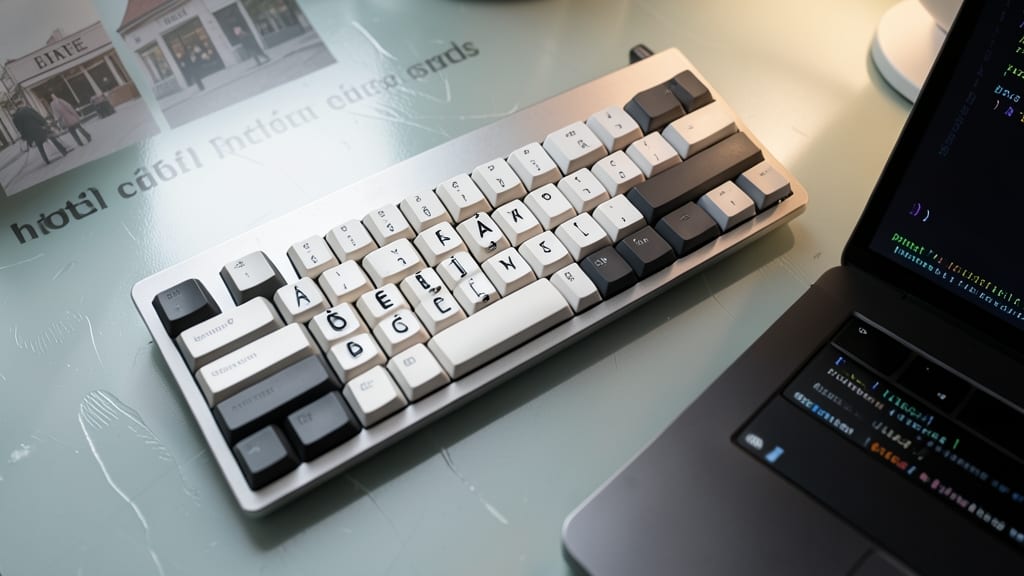
Ever wondered how scientists measure atomic distances with mind-blowing precision? The Ångström symbol (Å)—pronounced "angstrom"—is your answer, representing 0.1 nanometers (or 10^-10 meters) and used in everything from molecular biology to materials engineering.
Named after Swedish physicist Anders Jonas Ångström, this symbol appears in crystallography reports, spectroscopy data, and nanotechnology research. For example, a typical carbon-carbon bond length is 1.5 Å, while DNA’s double helix has a 3.4 Å diameter. Typing it requires Alt + 0211 on Windows or Option + Shift + A on Mac.
If you work with lab reports, engineering specs, or STEM education, mastering this symbol ensures your documentation aligns with global scientific standards. ⚡
Ampersand & for Legal and Formal Documents

Ever wondered why "and" in legal documents is often replaced by a single symbol? That’s the ampersand (&), a dual-purpose character that functions as both a letter and a word—historically pronounced "and per se and" in formal settings.
Found on most keyboards (Shift+7), the ampersand is a corporate and legal staple, appearing in company names (e.g., "Johnson & Johnson") and contracts. Its formal elegance makes it ideal for resumes, cover letters, and even branding—think of its calligraphic style in vintage logos. Unlike other symbols, it carries linguistic weight, replacing entire words while maintaining professionalism.
Lawyers, business owners, and writers rely on it daily for concise, polished communication. Next time you draft a formal document, swap "and" for this time-tested symbol—it’s the invisible upgrade your writing deserves. ✨
Alpha Symbol α for Mathematical Equations

If you’ve ever stared at a complex equation and wondered how to type that mysterious α, you’re not alone. This Greek letter isn’t just for textbooks—it’s the backbone of physics formulas, statistical notation, and engineering calculations, appearing everywhere from Einstein’s relativity equations to machine learning algorithms.
Typing α is easier than you think: On Windows, press Alt + 0333 (numeric keypad), while Mac users can use Option + A. In LaTeX, simply type \alpha for perfect rendering. Whether you’re calculating angular acceleration or labeling variables in a Python script, this symbol saves time and adds precision to your work.
Students cramming for calculus finals, data scientists plotting regression lines, and engineers designing circuits all rely on α daily. Mastering it unlocks smoother collaboration in technical fields where notation matters most. ✨
Arrow Symbols ← → ↑ ↓ for Navigation

If you’ve ever struggled to explain a process in code, design a UI, or create a flowchart, these arrow symbols (← → ↑ ↓) are your secret weapon. They’re not just decorative—they’re the universal language of direction, logic, and user interaction in tech.
Each arrow serves a distinct purpose: ←/→ for left/right navigation (like back/forward buttons), ↑/↓ for vertical movement (scrolling or menu selection). In programming, they’re used in pseudocode and state machines, while designers rely on them for wireframes and interactive prototypes. Copy-paste them directly into docs or use Alt codes (219, 220, 219, 221) for quick access.
Developers and UX designers will love how these arrows cut down on verbose explanations, while educators use them to simplify complex workflows. Mastering them means clearer communication—whether you’re debugging code or sketching a new app feature. 💻
Asterisk * for Footnotes and Highlighting
The asterisk () isn’t just for multiplication—it’s a versatile productivity tool that bridges writing, research, and coding. Whether you’re marking footnotes, highlighting key points, or declaring variables in code, this symbol streamlines workflows across disciplines.
In academic writing, asterisks flag citations or notes without cluttering your main text. Programmers rely on them for multiplication (e.g., x y) and comments (e.g., // Important logic). Even in emails, a single asterisk can bold text in plain text (e.g., urgent → urgent).
Writers and researchers love it for quick annotations, while developers use it for regex patterns (e.g., .). Master this symbol, and you’ll save time across every project. ✨
Angle Brackets <> for HTML and Coding

If you’ve ever written a single line of HTML, you’ve already used angle brackets—the unsung heroes of web development. These simple symbols (< >) define every tag in HTML, XML, and even XSLT, making them the foundation of modern web structure.
In HTML, they wrap elements like `
`, and <img> to tell browsers how to render content. In XML, they structure data hierarchically, while in coding, they’re used for template literals (like `` Hello <world> ``) or even in regex patterns. Their versatility means faster coding and fewer syntax errors when you type them instinctively.
Web developers, frontend engineers, and even casual coders benefit most—mastering them cuts down on debugging time and makes your markup cleaner. ⚡
Alveolar Symbol ɑ for Linguistics
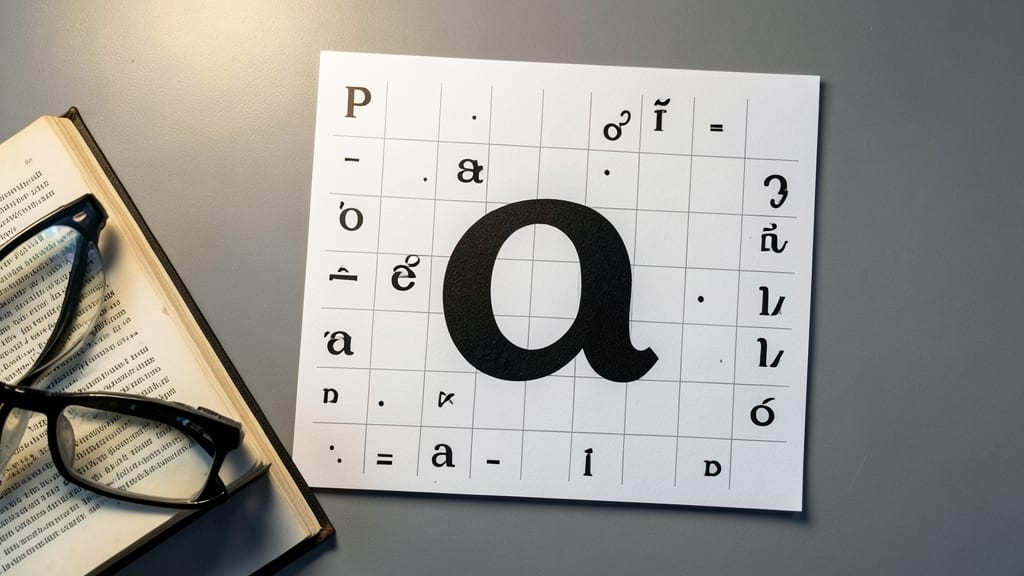
If you’ve ever transcribed speech or studied foreign languages, you’ve likely encountered the alveolar symbol (ɑ)—the open-mouthed vowel that’s the backbone of phonetic notation. Unlike standard letters, this symbol represents a specific low-back vowel sound found in languages like English ("father"), Arabic, and Mandarin, making it essential for precise linguistic analysis.
Found in the International Phonetic Alphabet (IPA), ɑ is used by speech therapists to document patient progress, by linguists to transcribe dialects, and by language researchers to compare pronunciation across cultures. Unlike its Latin counterpart "a," ɑ carries no ambiguity—it’s purely a phonetic placeholder for one sound, ensuring consistency in academic work.
For professionals in speech pathology or linguistics, mastering ɑ is non-negotiable. Even casual learners of languages like Russian or Swahili benefit from recognizing it in transcriptions. ⚡
Accent Grave À for French and Special Characters
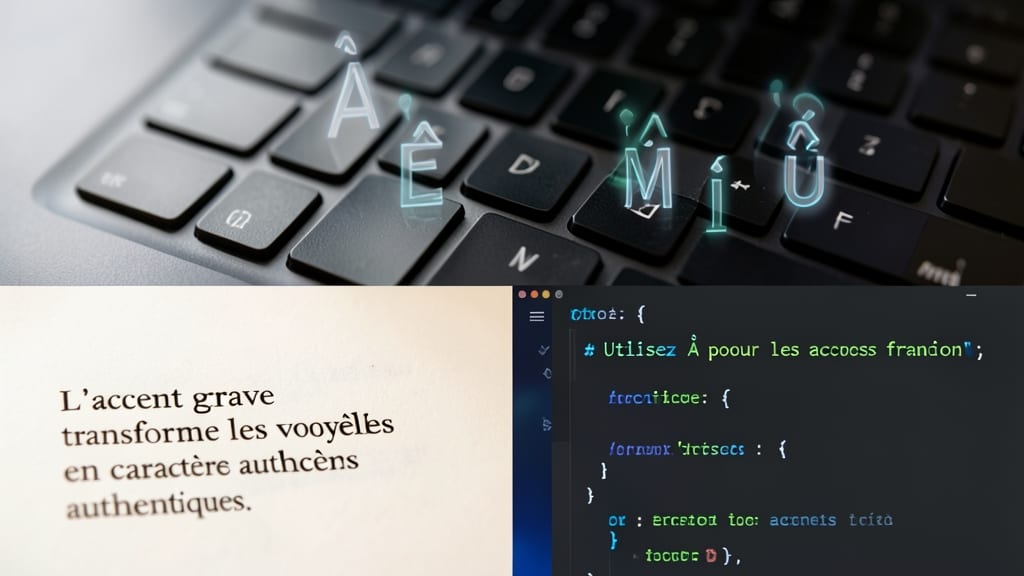
Struggling to type French words correctly or need special characters for programming? The accent grave (À) is your secret weapon. This tiny mark transforms vowels (A, E, I, O, U) into their French counterparts, ensuring proper spelling in documents, websites, and even code comments.
On most keyboards, press Shift + 6 (Windows) or Option + E (Mac) before typing a vowel to add the accent. In programming, it’s used for Unicode encoding (e.g., À as \u00C0) and in regular expressions for case-insensitive matching. French speakers rely on it daily—without it, "café" becomes "cafe," and "hôtel" loses its hotel charm.
Perfect for French writers, translators, and developers working with multilingual text or Unicode. Mastering this symbol saves time and avoids embarrassing typos in professional documents. ✨